
Call Us 24/7
Call Us 24/7
Phone Number Text Goes Here

Reviews

Contact

About
Serving Lane County since 1978
What Is Forced Air Heating?
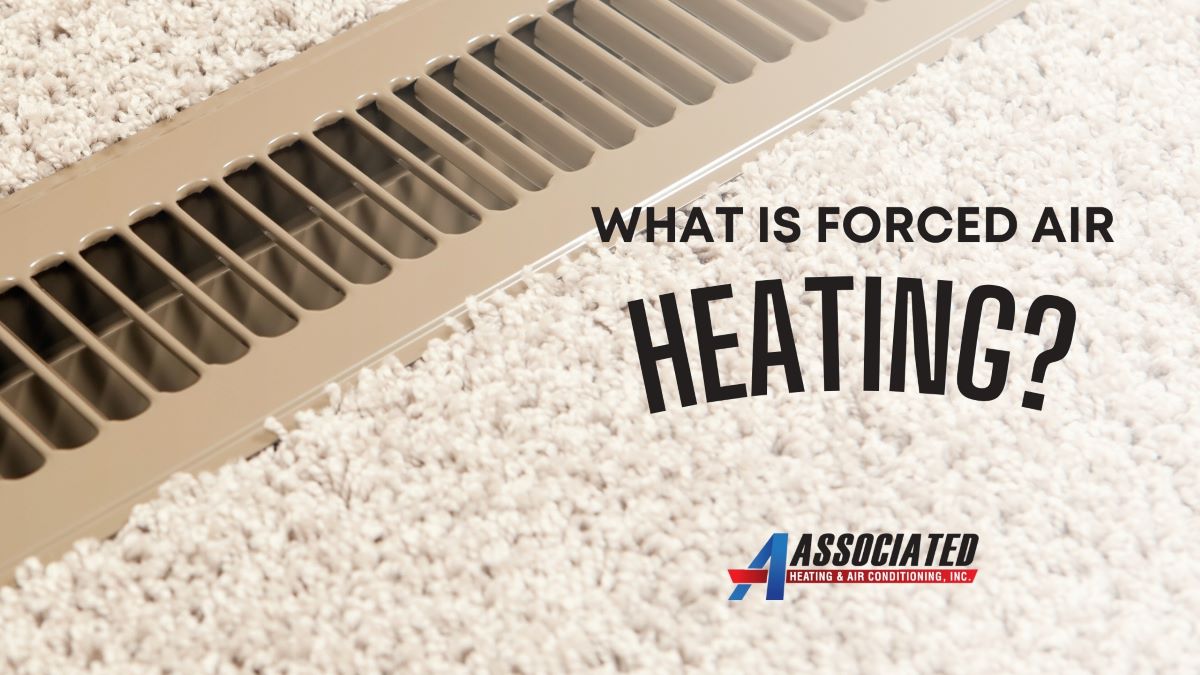
When it comes to home comfort, few systems rival the efficiency and effectiveness of forced air heating. If you’re considering replacing your traditional heating system, forced air heating is a great option. Of course, choosing the right system for your home is essential, as it will also impact your energy bills. This is an economical, cost-effective, and reliable solution, which will be a great addition to your home!
In this blog post, we’ll explore the details of forced air heating systems and how you can benefit from installing one in your home. If you’re interested in learning more about the options available, CONTACT US TODAY to schedule a free in-home estimate with one of our knowledgeable Comfort Advisors. All houses are unique, and we can help you choose the perfect setup based on the layout of your home, preference, and budget. Our Comfort Advisors are ready to explore all of the options available to you in detail.
Heating Source
The process begins with the heating source, which is typically a furnace or heat pump. Furnaces are commonly fueled by natural gas, propane, oil, or electricity. Heat pumps use electricity to extract heat from the outside air or ground.
Heat Generation
Within the furnace or heat pump, the heating source generates heat through combustion (in the case of a furnace) or heat exchange (in the case of a heat pump). The heat produced raises the temperature of the air inside the unit. Both furnaces and heat pumps are effective at providing warmth. Keep in mind, both operate on different principles and are suited to different climates and heating needs.
Air Circulation
A powerful blower fan within the heating unit then forces the heated air through a system of ducts at a high velocity. The ductwork is installed throughout the home, connecting the heating unit to various rooms and living spaces.
Distribution
As the heated air travels through the ducts, it passes through vents located in the floors, walls, or ceilings of each room. These vents allow the warm air to enter the living spaces, raising the indoor temperature and providing comfort to occupants. The placement of the vents is designed to ensure even distribution of heat throughout the home. This will minimize temperature variations between rooms.
Thermostat Control
The temperature of the forced air system is regulated by a thermostat, which communicates with the heating unit to maintain the desired temperature setting. When the thermostat detects that the indoor temperature has dropped below the set point, it signals the heating system to activate and begin generating heat. Because the heat is controlled from a singular thermostat, it will control the temperature throughout the entire house.
Optional Air Filtration
Many forced air heating systems include built-in air filtration mechanisms to improve indoor air quality. These filters help remove dust, allergens, and other airborne particles as the air circulates through the system, promoting a healthier living environment.
Is this the right solution for you?
Overall, forced air heating systems offer a convenient and efficient way to distribute warmth throughout a building or home. They are a popular choice among homeowners and render a multitude of benefits. Don’t risk having a heating emergency! Get a new forced air heating system installed in your home and feel the warmth all winter long!
WE PROVIDE FREE ESTIMATES
SCHEDULE A FREE QUOTE WITH A COMFORT ADVISOR
Tags: forced air heating, forced air systems, Heating, heating system installation, Heating System Replacement, heating systems
Wednesday, January 31st, 2024 at 4:05 pm | Categories: Heat Pumps, Heating
|
When it comes to home comfort, few systems rival the efficiency and effectiveness of forced air heating. If you’re considering replacing your traditional heating system, forced air heating is a great option. Of course, choosing the right system for your home is essential, as it will also impact your energy bills. This is an economical, cost-effective, and reliable solution, which will be a great addition to your home!
In this blog post, we’ll explore the details of forced air heating systems and how you can benefit from installing one in your home. If you’re interested in learning more about the options available, CONTACT US TODAY to schedule a free in-home estimate with one of our knowledgeable Comfort Advisors. All houses are unique, and we can help you choose the perfect setup based on the layout of your home, preference, and budget. Our Comfort Advisors are ready to explore all of the options available to you in detail.
Heating Source
The process begins with the heating source, which is typically a furnace or heat pump. Furnaces are commonly fueled by natural gas, propane, oil, or electricity. Heat pumps use electricity to extract heat from the outside air or ground.
Heat Generation
Within the furnace or heat pump, the heating source generates heat through combustion (in the case of a furnace) or heat exchange (in the case of a heat pump). The heat produced raises the temperature of the air inside the unit. Both furnaces and heat pumps are effective at providing warmth. Keep in mind, both operate on different principles and are suited to different climates and heating needs.
Air Circulation
A powerful blower fan within the heating unit then forces the heated air through a system of ducts at a high velocity. The ductwork is installed throughout the home, connecting the heating unit to various rooms and living spaces.
Distribution
As the heated air travels through the ducts, it passes through vents located in the floors, walls, or ceilings of each room. These vents allow the warm air to enter the living spaces, raising the indoor temperature and providing comfort to occupants. The placement of the vents is designed to ensure even distribution of heat throughout the home. This will minimize temperature variations between rooms.
Thermostat Control
The temperature of the forced air system is regulated by a thermostat, which communicates with the heating unit to maintain the desired temperature setting. When the thermostat detects that the indoor temperature has dropped below the set point, it signals the heating system to activate and begin generating heat. Because the heat is controlled from a singular thermostat, it will control the temperature throughout the entire house.
Optional Air Filtration
Many forced air heating systems include built-in air filtration mechanisms to improve indoor air quality. These filters help remove dust, allergens, and other airborne particles as the air circulates through the system, promoting a healthier living environment.
Is this the right solution for you?
Overall, forced air heating systems offer a convenient and efficient way to distribute warmth throughout a building or home. They are a popular choice among homeowners and render a multitude of benefits. Don’t risk having a heating emergency! Get a new forced air heating system installed in your home and feel the warmth all winter long!
WE PROVIDE FREE ESTIMATES
SCHEDULE A FREE QUOTE WITH A COMFORT ADVISOR
Tags: forced air heating, forced air systems, Heating, heating system installation, Heating System Replacement, heating systems
Wednesday, January 31st, 2024 at 4:05 pm | Categories: Heat Pumps, Heating
|
5 Reasons to Have Your Electrical Panel Checked
Clothing Drive for 4J & Bethel Schools
What Is Forced Air Heating?
When it comes to home comfort, few systems rival the efficiency and effectiveness of forced air heating. If you’re considering replacing your traditional heating system, forced air heating is a great option. Of course, choosing the right system for your home is essential, as it will also impact your energy bills. This is an economical, cost-effective, and reliable solution, which will be a great addition to your home!
In this blog post, we’ll explore the details of forced air heating systems and how you can benefit from installing one in your home. If you’re interested in learning more about the options available, CONTACT US TODAY to schedule a free in-home estimate with one of our knowledgeable Comfort Advisors. All houses are unique, and we can help you choose the perfect setup based on the layout of your home, preference, and budget. Our Comfort Advisors are ready to explore all of the options available to you in detail.
Heating Source
The process begins with the heating source, which is typically a furnace or heat pump. Furnaces are commonly fueled by natural gas, propane, oil, or electricity. Heat pumps use electricity to extract heat from the outside air or ground.
Heat Generation
Within the furnace or heat pump, the heating source generates heat through combustion (in the case of a furnace) or heat exchange (in the case of a heat pump). The heat produced raises the temperature of the air inside the unit. Both furnaces and heat pumps are effective at providing warmth. Keep in mind, both operate on different principles and are suited to different climates and heating needs.
Air Circulation
A powerful blower fan within the heating unit then forces the heated air through a system of ducts at a high velocity. The ductwork is installed throughout the home, connecting the heating unit to various rooms and living spaces.
Distribution
As the heated air travels through the ducts, it passes through vents located in the floors, walls, or ceilings of each room. These vents allow the warm air to enter the living spaces, raising the indoor temperature and providing comfort to occupants. The placement of the vents is designed to ensure even distribution of heat throughout the home. This will minimize temperature variations between rooms.
Thermostat Control
The temperature of the forced air system is regulated by a thermostat, which communicates with the heating unit to maintain the desired temperature setting. When the thermostat detects that the indoor temperature has dropped below the set point, it signals the heating system to activate and begin generating heat. Because the heat is controlled from a singular thermostat, it will control the temperature throughout the entire house.
Optional Air Filtration
Many forced air heating systems include built-in air filtration mechanisms to improve indoor air quality. These filters help remove dust, allergens, and other airborne particles as the air circulates through the system, promoting a healthier living environment.
Is this the right solution for you?
Overall, forced air heating systems offer a convenient and efficient way to distribute warmth throughout a building or home. They are a popular choice among homeowners and render a multitude of benefits. Don’t risk having a heating emergency! Get a new forced air heating system installed in your home and feel the warmth all winter long!
WE PROVIDE FREE ESTIMATES
SCHEDULE A FREE QUOTE WITH A COMFORT ADVISOR
Tags: forced air heating, forced air systems, Heating, heating system installation, Heating System Replacement, heating systems
Wednesday, January 31st, 2024 at 4:05 pm | Categories: Heat Pumps, Heating
|
5 Reasons to Have Your Electrical Panel Checked
Clothing Drive for 4J & Bethel Schools
Comments are closed.